English


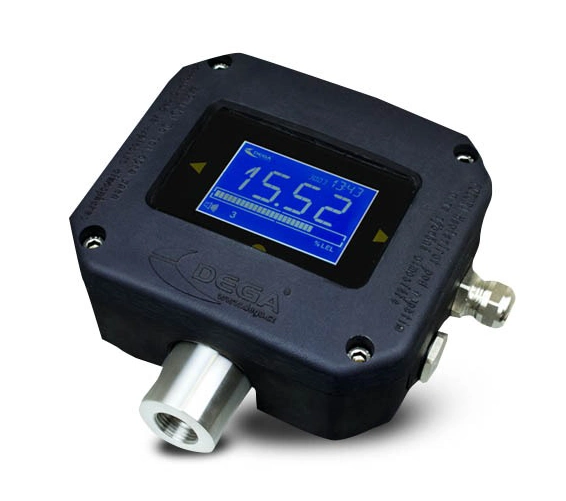
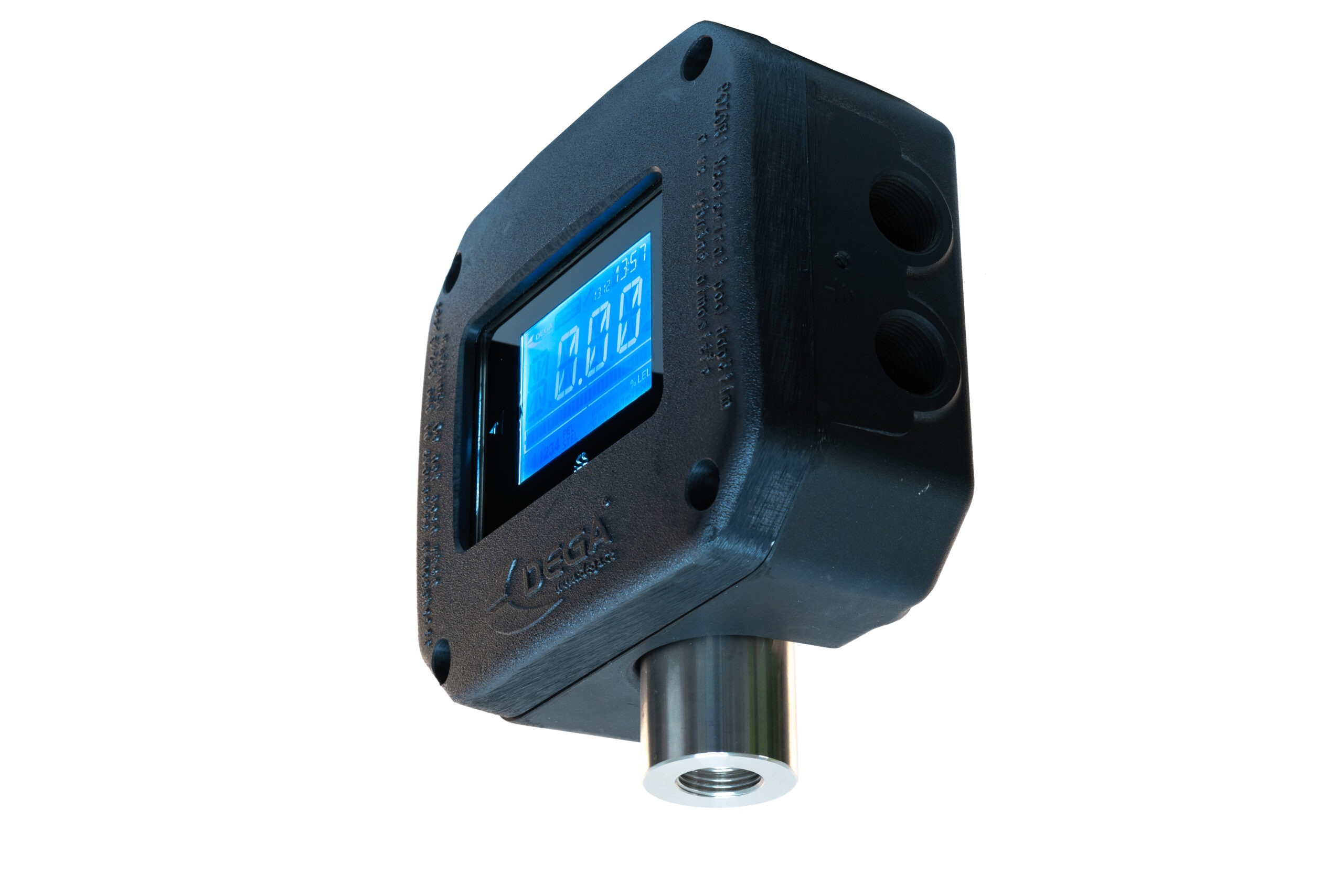
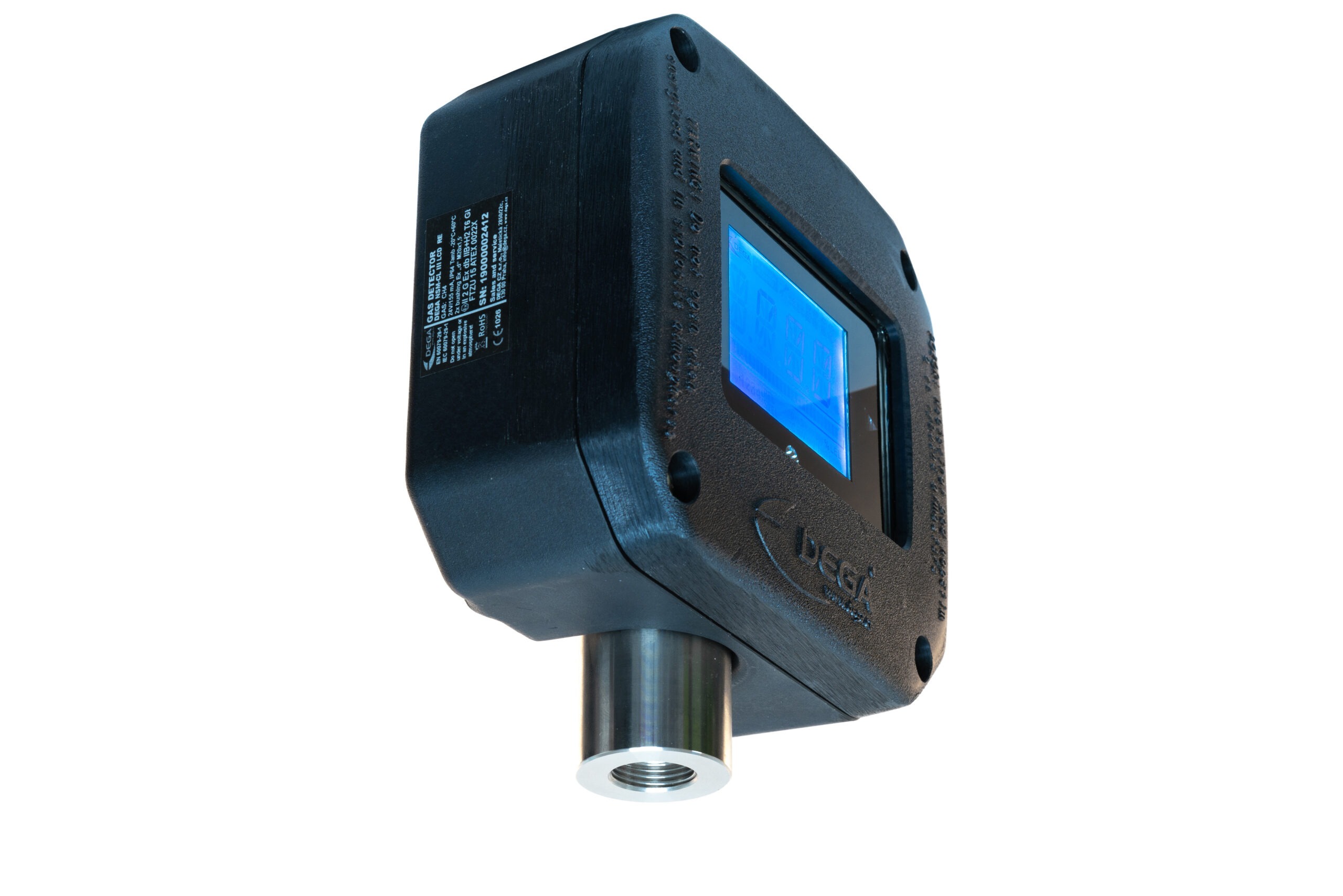
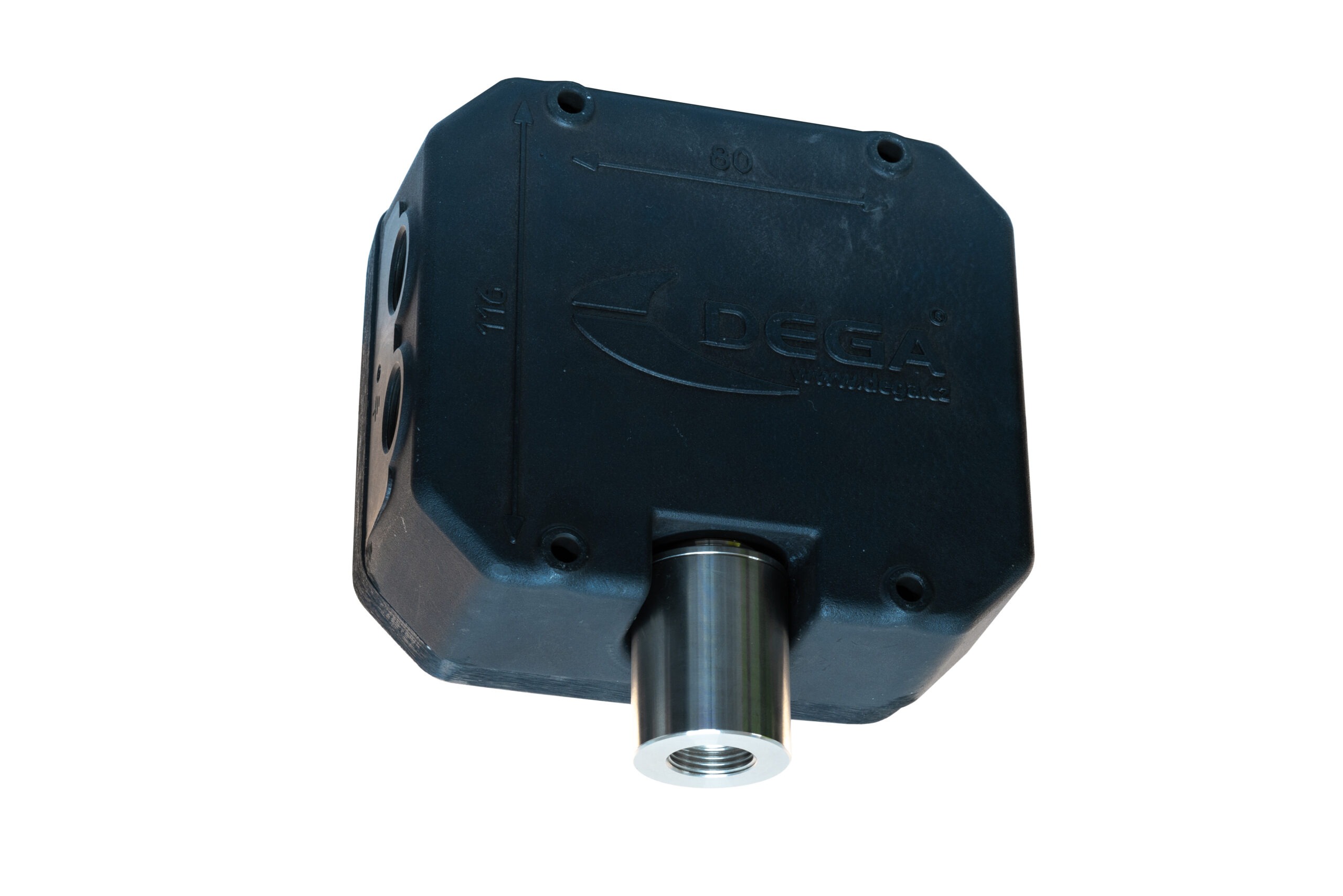
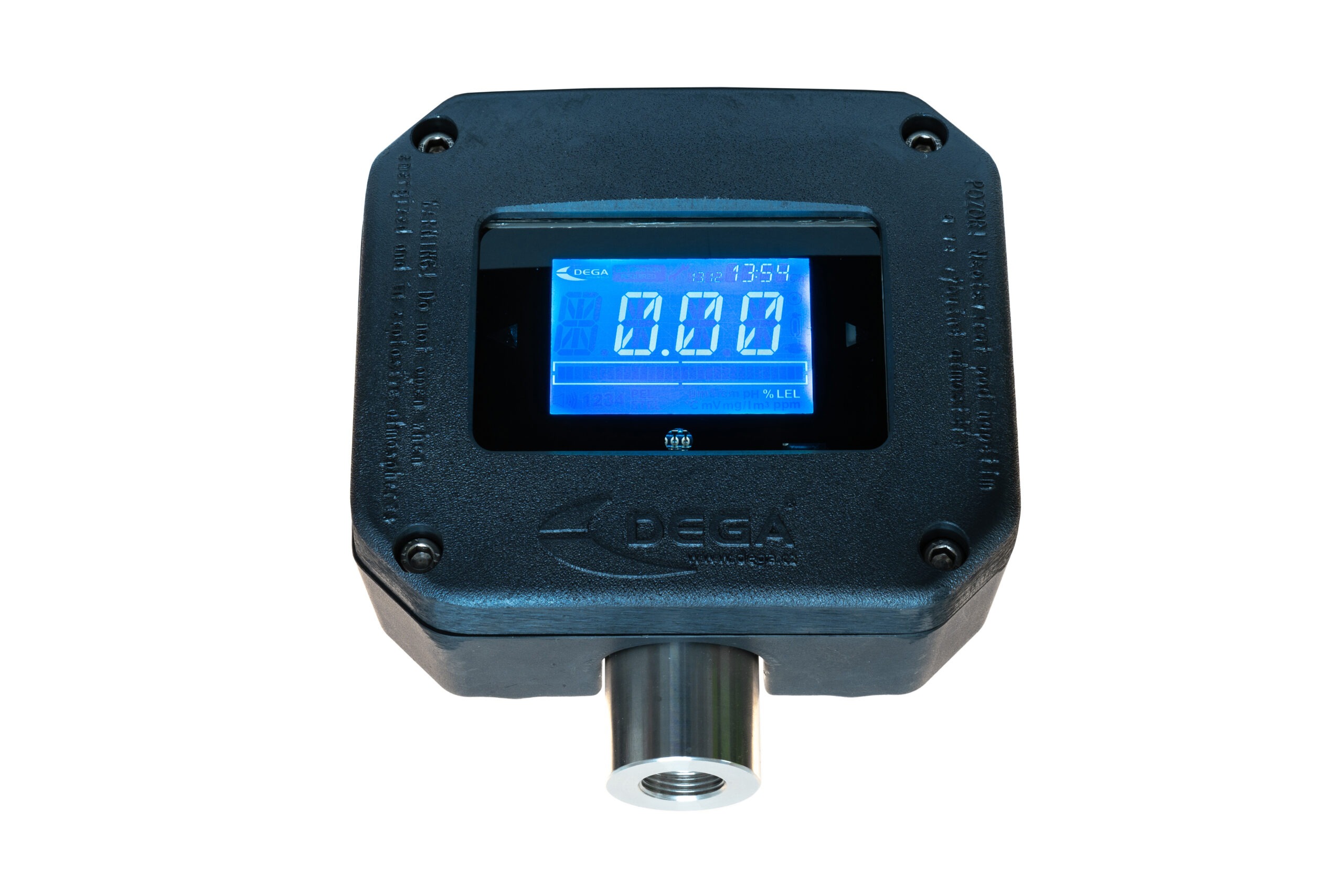
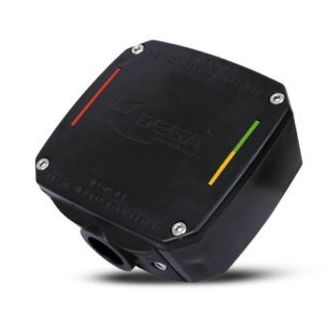
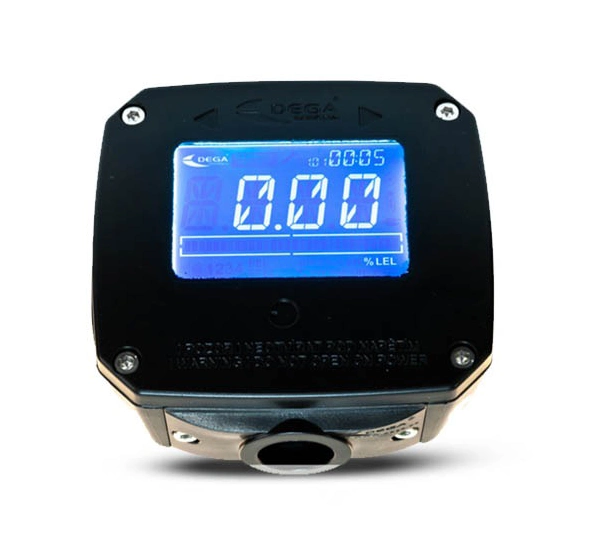
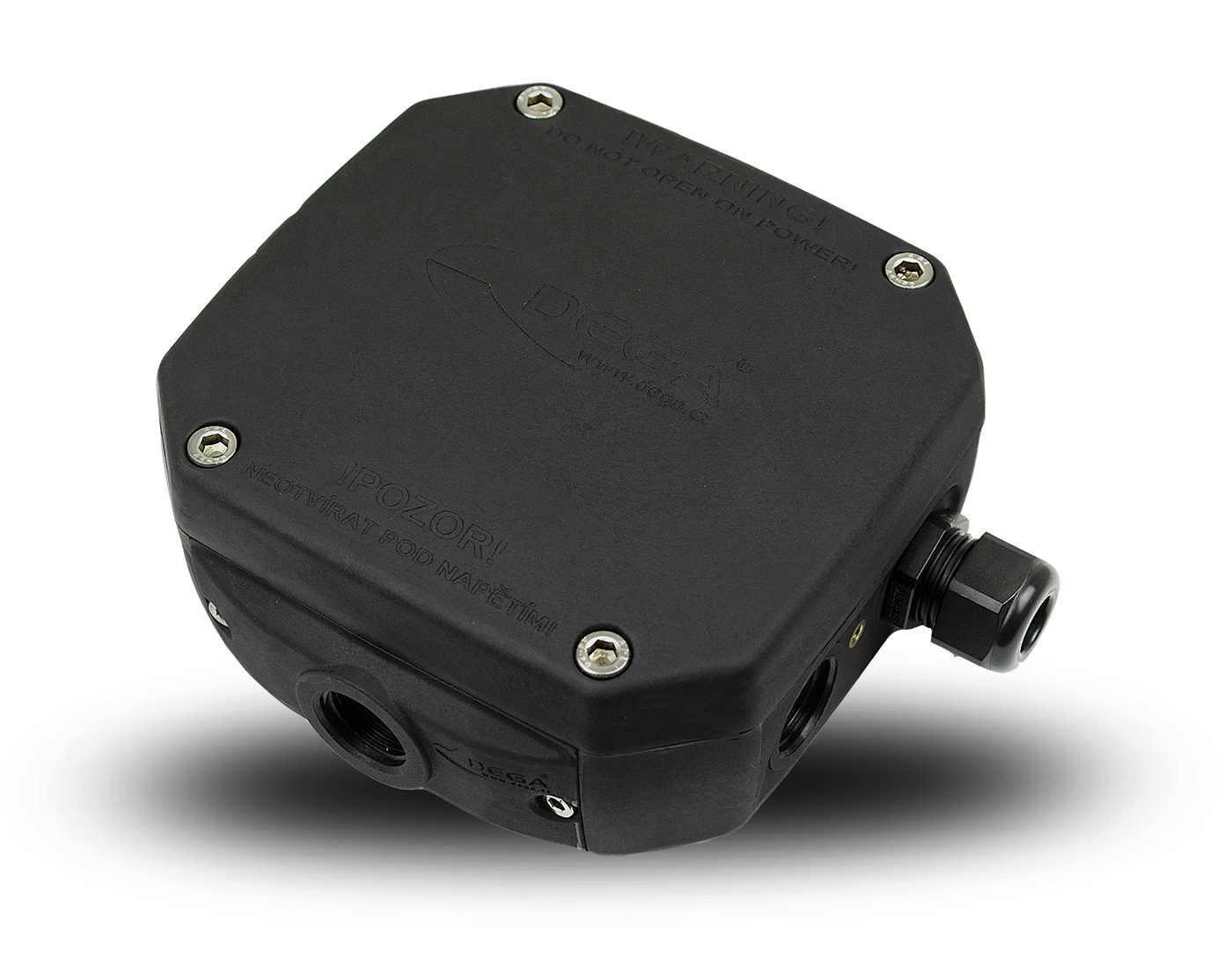
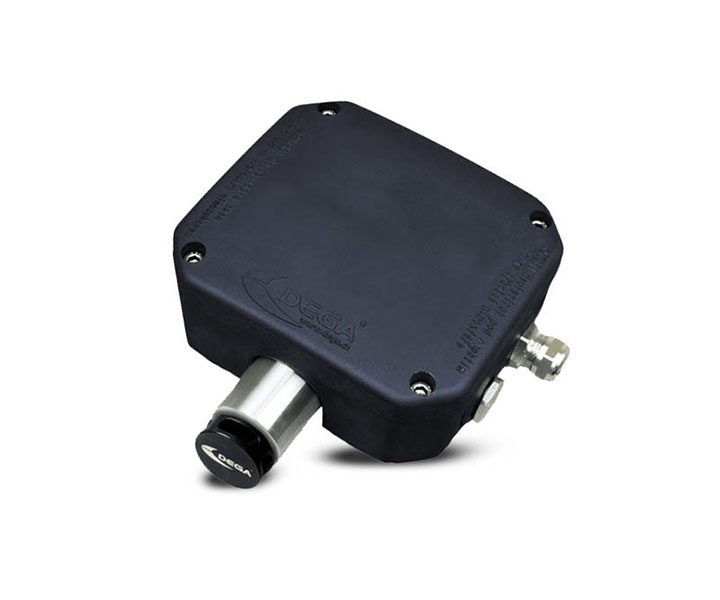
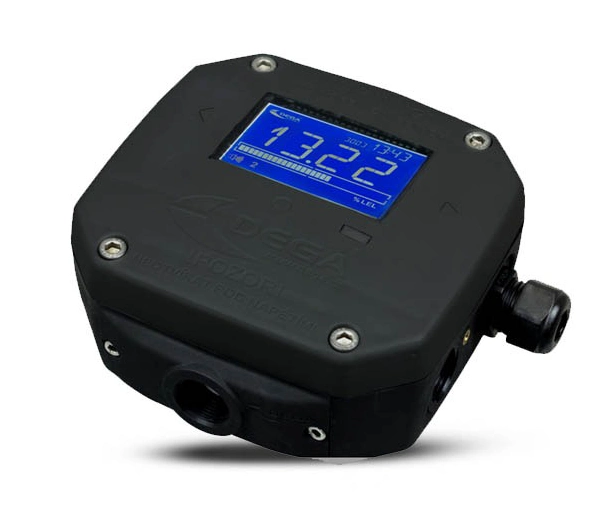
The DEGA NS III LCD detector is a part of the gas detection system and is located in the monitored area, where a critical situation can be created by the accumulation of flammable or toxic substances, even in an explosive environment. The detector converts the measured substance concentration into a unified 4-20 mA current signal (for DEGA UPA II and DEGA UPA III). The transmitter is equipped with an LCD display for displaying the currently measured concentration of the detected substance and four relays.
The detector can be connected to DEGA UPA III, DEGA UKA III, and DEGA UDA III evaluation control panels via RS485.

Basic gas detection methods:
CL – catalytic sensor (Pelistor) They operate on the principle of catalytic combustion – gas concentration is measured based on the amount of heat released in a controlled combustion reaction. The reaction is supported by a suitable temperature and the pressence of a catalyst. These sensors can be used to detect a broad range of flammable gases. The sensors are characterized by fast response,a long lifetime and high stability. A minimum of 10 % of oxygen in the air is required for it’s proper function.
EL – electrochemical sensor
They operate on the principle of change of electrical parameters on the electrodes stored in electrolyte, due to oxidation/reduction reactions of the detected gas on it’s surface. These sensors have good selectivity and the ability to detect very low concentrations of toxic gases.
IL – infrared sensor
The top quality scanning method. They operate on the principle of infrared spectroscopy. The sensors have excellent selecivity in organic matter, do not require any oxygen in the atmoshpere and are resistant to catalyst poisons (sulfur and silicon compounds) which cause a change of sensitivity of catalytic sensors. The sensors are characterized by high stability and a long lifetime.
SL – semiconductor sensor
They operate on the principle of changes in electrical conductivity of semiconductors by changing the concentration of the detected gas. Their advatage is a long lifetime in a clean environment and a wide range of different types of gases and vapors. Their disadvatage is their low selectivity – the sensor largly responds to other gases for which it is not calibrated.
PID – photoionization sensor
The sensitive scanning method for detection of a wide range of VOC – volatile organic compounds. The sensor does not selectively detect all VOCs in the air at concentrations in ppm.
| Power voltage | 8 – 30 VDC |
| Output | 4-20 mA, RS485, Modbus, Piezo buzzer |
| Degree of protection by cover | IP 54, with DEGA WATER CAP IP 66 cover |
| Power consumption | 1,2 W |
| Dimensions | 150 x 170 x 65 mm (WxHxD) |
| Weight | 2,1 kg |
| Sensor type | catalytic, semiconductor, electrochemical, infrared, photoionization |
| Estimated sensor life in the transmitter in a clean environment | catalytic/semiconductor (1-2 years), electrochemical (1-3 years), infrared (5 years and more), photoionization (5000 hours) |
| Relative humidity of the surrounding air | 0-95 % RV |
| Working environment | BE3N2 – potentially explosive atmospheres, zone 1 |
The DEGA NS III LCD detector is a part of the gas detection system and is located in the monitored area, where a critical situation can be created by the accumulation of flammable or toxic substances, even in an explosive environment. The detector converts the measured substance concentration into a unified 4-20 mA current signal (for DEGA UPA II and DEGA UPA III). The transmitter is equipped with an LCD display for displaying the currently measured concentration of the detected substance and four relays.
The detector can be connected to DEGA UPA III, DEGA UKA III, and DEGA UDA III evaluation control panels via RS485.